Introduction
Diesel generators play a crucial role in providing backup power during emergencies or in remote locations where grid power is unavailable. These reliable and efficient machines are widely used in various industries, including healthcare, manufacturing, telecommunications, and data centers. However, the operation of diesel generators involves inherent risks, and ensuring safety standards is paramount to protect both personnel and equipment.
In this comprehensive guide, we will delve into the safety standards and best practices for diesel generators to help users understand the importance of compliance and minimize the risks associated with their operation.
1. Understanding Diesel Generators
Before discussing safety standards, it is essential to have a basic understanding of how diesel generators work. Diesel generators are a type of combustion engine that converts diesel fuel into mechanical energy. This mechanical energy is then converted into electrical energy through an alternator, providing power to electrical loads.
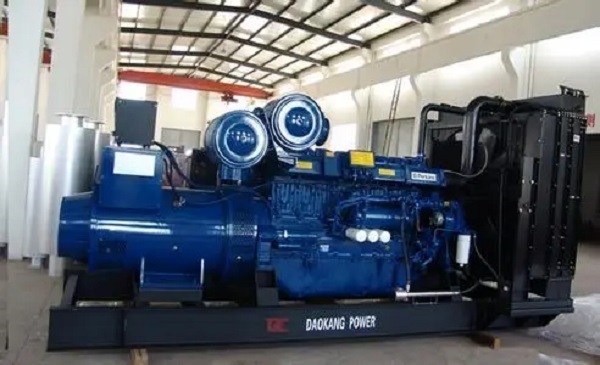
Diesel generators consist of various components, including the engine, alternator, cooling system, fuel system, exhaust system, and control panel. Each of these components plays a critical role in the operation of the generator and must be maintained and operated according to manufacturer guidelines.
2. Common Hazards Associated with Diesel Generators
While diesel generators are reliable sources of backup power, they also pose several hazards that can compromise safety if not properly managed. Some of the common hazards associated with diesel generators include:
- Fire Hazard: Diesel generators operate at high temperatures and generate heat during operation, increasing the risk of fire. Fuel leaks, overheating, and electrical faults can all contribute to the potential for a fire hazard.
- Electrical Hazard: Diesel generators produce high voltages that can pose a significant risk of electrical shock or electrocution if proper precautions are not taken. Contact with live electrical components or improper grounding can lead to serious injuries.
- Carbon Monoxide Poisoning: Diesel generators produce carbon monoxide gas as a byproduct of combustion. Exposure to high levels of carbon monoxide can be fatal, making proper ventilation and exhaust system maintenance critical.
- Fuel Spillage: Diesel fuel is flammable and poses a risk of fire or environmental contamination if spilled. Proper fuel storage, handling, and containment measures are essential to prevent accidents.
- Noise Pollution: Diesel generators produce high levels of noise during operation, which can be harmful to personnel working in close proximity. Prolonged exposure to high noise levels can lead to hearing loss and other health issues.
3. Safety Standards for Diesel Generators
To mitigate the risks associated with diesel generators, various safety standards and guidelines have been established by regulatory bodies and industry organizations. Adhering to these standards is not only a legal requirement in many jurisdictions but also essential for ensuring the safe operation of diesel generators. Some of the key safety standards for diesel generators include:
- National Fire Protection Association (NFPA) 110: NFPA 110 is a standard for emergency and standby power systems that provides guidelines for the installation, operation, and maintenance of generators. It covers various aspects, including fuel storage, ventilation, exhaust systems, and electrical safety.
- Occupational Safety and Health Administration (OSHA) Regulations: OSHA regulations set forth specific requirements for workplace safety, including the operation of diesel generators. Employers must comply with OSHA standards to ensure the safety of their employees and prevent workplace accidents.
- International Electrotechnical Commission (IEC) Standards: IEC standards address the electrical safety of diesel generators and provide guidelines for the design, testing, and installation of electrical equipment. Compliance with IEC standards helps ensure that diesel generators meet international safety requirements.
- Environmental Protection Agency (EPA) Regulations: EPA regulations govern the emissions produced by diesel generators and set limits on harmful pollutants to protect the environment and public health. 150kw diesel generator for remote infrastructure projects must comply with EPA emissions standards to minimize their impact on air quality.
- Manufacturer Guidelines: In addition to industry standards, manufacturers provide specific guidelines for the safe operation and maintenance of their diesel generators. Users should carefully follow the manufacturer's recommendations to ensure optimal performance and safety.
4. Best Practices for Diesel Generator Safety
In addition to complying with safety standards, there are several best practices that users can follow to enhance the safety of diesel generators. By implementing these practices, operators can reduce the risk of accidents and ensure the reliable operation of their generators. Some of the best practices for diesel generator safety include:
- Regular Maintenance: Routine maintenance is crucial for keeping diesel generators in optimal condition and preventing breakdowns. Inspecting and servicing components such as filters, fluids, belts, and batteries according to the manufacturer's recommendations can help identify potential issues before they escalate.
- Proper Installation: Diesel generators should be installed in a well-ventilated, weatherproof enclosure that complies with local building codes and safety regulations. Adequate space should be provided for maintenance access, ventilation, and exhaust dispersal to prevent overheating and ventilation issues.
- Fuel Management: Proper fuel management is essential to prevent fuel contamination, spills, and leaks that can pose fire hazards. Diesel fuel should be stored in a dedicated tank with secondary containment measures and regular inspections to ensure its integrity.
- Exhaust System Maintenance: The exhaust system of diesel generators must be regularly inspected and maintained to prevent carbon monoxide buildup and ensure proper ventilation. Exhaust pipes should be directed away from occupied areas and kept clear of obstructions.
- Electrical Safety: Operators should follow proper electrical safety procedures when working on diesel generators, including de-energizing the system, using insulated tools, and wearing appropriate personal protective equipment (PPE). Regular electrical inspections and testing can help identify potential hazards.
- Emergency Response Plan: Having an emergency response plan in place is essential for dealing with potential accidents or failures of diesel generators. The plan should outline procedures for evacuating personnel, addressing fires or fuel spills, and restoring power in case of an outage.
- Training and Education: Proper training and education for personnel responsible for operating diesel generators are critical to ensuring safe and efficient operation. Operators should be familiar with the equipment, safety procedures, and emergency protocols to respond effectively to any situation.
5. Conclusion
Diesel generators are indispensable assets for many industries, providing backup power when grid power is unavailable. However, operating diesel generators involves inherent risks that must be managed through adherence to safety standards and best practices. By following the guidelines outlined in this comprehensive guide, users can ensure the safe and reliable operation of their diesel generators while minimizing the potential for accidents and hazards.
Remember that safety should always be a top priority when working with diesel generators, and compliance with regulations and guidelines is essential to protect personnel, equipment, and the environment. By staying informed, implementing proper safety measures, and conducting regular maintenance, operators can enjoy the benefits of diesel generators without compromising safety.